Showing posts with label vidhyasahayak. Show all posts

Friday, February 8, 2019

PRIMARY TEACHER BADALI..KEMP ..VADHGHAT CAMP VIDHYASAHAYAK BHARTI BABAT NEWS

PRIMARY TEACHER BADALI..KEMP ..VADHGHAT CAMP VIDHYASAHAYAK BHARTI BABAT NEWS

(1)9265597139
(2)9427390908
👆👆 ADD THIS NUMBER YOUR WATSAPP = HIKE = TELEGRAM GROUP.

A mutual fund is both an investment and an actual company. This may seem strange, but it is actually no different than how a share of APL is a representation of Apple, Inc. When an investor buys Apple stock, he is buying part ownership of the company and its assets. Similarly, a mutual fund investor is buying part ownership of the mutual fund company and its assets. The difference is Apple is inthe business of making smartphones and tablets, while a mutual fund company is in the business of making investments.Mutual funds pool money from the investing public and use that money to buy other securities, usually stocks and bonds. The value of the mutual fund company depends on the performance of the securities it decides to buy. So when you buy a shareof a mutual fund, you are actually buying the performance of its portfolio.
                 Mutual funds invest in stocks, but certain types also invest in government and corporate bonds. Stocks are subject to the whims of the market and thus offer a higher return potential than bonds, but they also present more risk. Bonds, by contrast, provide a fixed return that is usually much lower than what an investor gets from stocks. The advantage of bonds is they are low risk. Only in an extreme situation, such as the complete failure of acorporation, does an investor not receive the return he was promised from a bond security. A mutual fund's investment profile depends on the type of fund. There are three main types: equity funds, fixed-income funds and balanced funds.                                
A mutual fund is both an investment and an actual company. This may seem strange, but it is actually no different than how a share of APL is a representation of Apple, Inc. When an investor buys Apple stock, he is buying part ownership of the company and its assets. Similarly, a mutual fund investor is buying part ownership of the mutual fund company and its assets. The difference is Apple is inthe business of making smartphones and tablets, while a mutual fund company is in the business of making investments.Mutual funds pool money from the investing public and use that money to buy other securities, usually stocks and bonds. The value of the mutual fund company depends on the performance of the securities it decides to buy. So when you buy a shareof a mutual fund, you are actually buying the performance of its portfolio.
Mutual funds invest in stocks, but certain types also invest in government and corporate bonds. Stocks are subject to the whims of the market and thus offer a higher return potential than bonds, but they also present more risk. Bonds, by contrast, provide a fixed return that is usually much lower than what an investor gets from stocks. The advantage of bonds is they are low risk. Only in an extreme situation, such as the complete failure of acorporation, does an investor not receive the return he was promised from a bond security. A mutual fund's investment profile depends on the type of fund. There are three main types: equity funds, fixed-income funds and balanced funds.

Click here to read

Wednesday, January 9, 2019

1997 THI 2005 SUDHI BHARTI THAYEL VIDHYASAHAYAK, SHIKSHAKO NI NOKARI SALANG GANVA BABAT VIVIDH JILLA NI RAJUAAT

1997 THI 2005 SUDHI BHARTI THAYEL VIDHYASAHAYAK, SHIKSHAKO NI NOKARI SALANG GANVA BABAT VIVIDH JILLA NI RAJUAAT

Teachers working with Key Stage pupils might, for instance, focus on the subject content of science and develop science skills from these areas of experience. This product centred approach could, for example, give rise to oral explanations and demonstrations of scientific knowledge, and, from time to time, practical activities designed to provide direct experience of phenomena with opportunities to explore and investigate these phenomena. In providing a conceptual structure to help the learner build a functional mental representation, the teacher highlights what is relevant and the nature of the relationships between the elements. For example, the teacher might explain the compressibility of air in a bicycle pump by describing it as dispersed particles which may be brought closer or else by comparing it with the behaviour of a spring.

In contrast, teachers might focus on the processes of science and develop scientific conceptual understanding from it. This process-centred approach could, for instance, offer the children experiments and investigations as starting points for acquiring conceptual knowledge with little or no direct teaching of concepts. In this case a conceptual structure is withheld. The onus is on the children to recall or construct a functional mental representation without reference to a teachers' description of one. Pupils might infer relationships in the topic under study and may be given an opportunity to test and revise their ideas.

Of course, other teachers might focus on a combination of these two approaches and develop scientific skills and conceptual understanding from in this combination. This mixed approach could be a balance or, perhaps, a compromise, between a product-centred and a process-centred approach, in which the teacher provides a partial conceptual structure and leaves the remainder for children to construct by inferring, hypothesising, or testing their ideas. It could encourage lessons where children do investigations with some features already identified by the teacher, and with some conceptual knowledge about the subject that enables them to appreciate the purpose of the activity. In contrast, it could encourage lessons without a clear purpose which mixed different types of activity, but did not develop either conceptual or procedure understanding exclusively.

Science Activities and Experiments

Science activities help little learners of all ages understand important concepts, and these science activities for kids give them the opportunity to discover something completely new. What's more, science activities are fun! Some, like Oobleck, are messy. Others are impressive, like the classic erupting volcano project. Whatever activity you end up trying, your child will be developing new skills as he forms predictions and makes observations. No matter where your child's interests may lie, we have a science experiment that will teach him something cool and make him smile. 

click here to view /read

Monday, January 7, 2019

Vidhyasahayak Bharti 2018 High Court Special Civil Aplication Status

Vidhyasahayak Bharti 2018 High Court Special Civil Aplication Status

Gujarat Vidyasahayak Bharti Merit List 2018 was announced Today. Candidates who are waiting for this Vidyasahayak Gujarat Merit List 2018 can now check their merit list from below mentioned link.

Vidyasahayak Bharti Meril List Std 6 to 8 : Gujarat State Educational Board (GSEB) published latest Jobs / Bharti Notification for the Recruitment of Vidhyasahayak (Std. 6 to 8 ) provisional merit list in Gujarati Medium & Other Medium on its official website http://vidyasahayakgujarat.org. Candidates can Check Vidyasahayak Online Merit List for need to enter Form Number, Birth Date,

IMPORTANT LINK:::;

CLICK HERE TO VIEW

Monday, December 31, 2018

UPPER PRIMARY TEACHERS GRADE PAY 4200 BABAT

UPPER PRIMARY TEACHERS GRADE PAY 4200 BABAT

9427390908
👆👆 ADD THIS NUMBER YOUR WATSAPP = HIKE = TELEGRAM GROUP.

A mutual fund is both an investment and an actual company. This may seem strange, but it is actually no different than how a share of APL is a representation of Apple, Inc. When an investor buys Apple stock, he is buying part ownership of the company and its assets. Similarly, a mutual fund investor is buying part ownership of the mutual fund company and its assets. The difference is Apple is inthe business of making smartphones and tablets, while a mutual fund company is in the business of making investments.Mutual funds pool money from the investing public and use that money to buy other securities, usually stocks and bonds. The value of the mutual fund company depends on the performance of the securities it decides to buy. So when you buy a shareof a mutual fund, you are actually buying the performance of its portfolio.
                 Mutual funds invest in stocks, but certain types also invest in government and corporate bonds. Stocks are subject to the whims of the market and thus offer a higher return potential than bonds, but they also present more risk. Bonds, by contrast, provide a fixed return that is usually much lower than what an investor gets from stocks. The advantage of bonds is they are low risk. Only in an extreme situation, such as the complete failure of acorporation, does an investor not receive the return he was promised from a bond security. A mutual fund's investment profile depends on the type of fund. There are three main types: equity funds, fixed-income funds and balanced funds.                                
A mutual fund is both an investment and an actual company. This may seem strange, but it is actually no different than how a share of APL is a representation of Apple, Inc. When an investor buys Apple stock, he is buying part ownership of the company and its assets. Similarly, a mutual fund investor is buying part ownership of the mutual fund company and its assets. The difference is Apple is inthe business of making smartphones and tablets, while a mutual fund company is in the business of making investments.Mutual funds pool money from the investing public and use that money to buy other securities, usually stocks and bonds. The value of the mutual fund company depends on the performance of the securities it decides to buy. So when you buy a shareof a mutual fund, you are actually buying the performance of its portfolio.
Mutual funds invest in stocks, but certain types also invest in government and corporate bonds. Stocks are subject to the whims of the market and thus offer a higher return potential than bonds, but they also present more risk. Bonds, by contrast, provide a fixed return that is usually much lower than what an investor gets from stocks. The advantage of bonds is they are low risk. Only in an extreme situation, such as the complete failure of acorporation, does an investor not receive the return he was promised from a bond security. A mutual fund's investment profile depends on the type of fund. There are three main types: equity funds, fixed-income funds and balanced funds.

Click read 1 || click read 2

Saturday, December 15, 2018

Vidhyasahayak bharti 2018 samany jagyao first round declare merit list

Vidhyasahayak bharti 2018 samany jagyao first round declare merit list

(1)9879117871
(2)9427390908
👆👆 ADD THIS NUMBER YOUR WATSAPP = HIKE = TELEGRAM GROUP.

A mutual fund is both an investment and an actual company. This may seem strange, but it is actually no different than how a share of APL is a representation of Apple, Inc. When an investor buys Apple stock, he is buying part ownership of the company and its assets. Similarly, a mutual fund investor is buying part ownership of the mutual fund company and its assets. The difference is Apple is inthe business of making smartphones and tablets, while a mutual fund company is in the business of making investments.Mutual funds pool money from the investing public and use that money to buy other securities, usually stocks and bonds. The value of the mutual fund company depends on the performance of the securities it decides to buy. So when you buy a shareof a mutual fund, you are actually buying the performance of its portfolio.
                 Mutual funds invest in stocks, but certain types also invest in government and corporate bonds. Stocks are subject to the whims of the market and thus offer a higher return potential than bonds, but they also present more risk. Bonds, by contrast, provide a fixed return that is usually much lower than what an investor gets from stocks. The advantage of bonds is they are low risk. Only in an extreme situation, such as the complete failure of acorporation, does an investor not receive the return he was promised from a bond security. A mutual fund's investment profile depends on the type of fund. There are three main types: equity funds, fixed-income funds and balanced funds.                                
A mutual fund is both an investment and an actual company. This may seem strange, but it is actually no different than how a share of APL is a representation of Apple, Inc. When an investor buys Apple stock, he is buying part ownership of the company and its assets. Similarly, a mutual fund investor is buying part ownership of the mutual fund company and its assets. The difference is Apple is inthe business of making smartphones and tablets, while a mutual fund company is in the business of making investments.Mutual funds pool money from the investing public and use that money to buy other securities, usually stocks and bonds. The value of the mutual fund company depends on the performance of the securities it decides to buy. So when you buy a shareof a mutual fund, you are actually buying the performance of its portfolio.
Mutual funds invest in stocks, but certain types also invest in government and corporate bonds. Stocks are subject to the whims of the market and thus offer a higher return potential than bonds, but they also present more risk. Bonds, by contrast, provide a fixed return that is usually much lower than what an investor gets from stocks. The advantage of bonds is they are low risk. Only in an extreme situation, such as the complete failure of acorporation, does an investor not receive the return he was promised from a bond security. A mutual fund's investment profile depends on the type of fund. There are three main types: equity funds, fixed-income funds and balanced funds.

Click here to read

Thursday, December 13, 2018

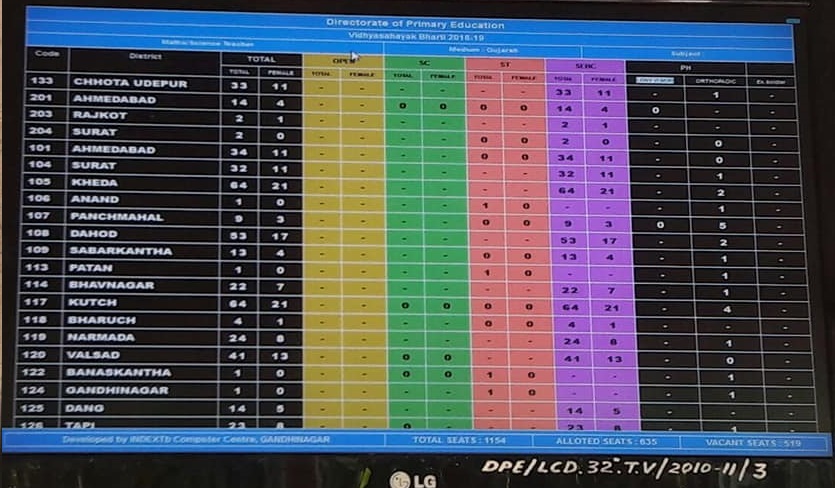
Vidhyasahayak Bharti 2018 First Round Date 13-12-2018 Live Updates

Vidhyasahayak Bharti 2018 First Round Date 13-12-2018 Live Updates

9427390908
👆👆 ADD THIS NUMBER YOUR WATSAPP = HIKE = TELEGRAM GROUP.

A mutual fund is both an investment and an actual company. This may seem strange, but it is actually no different than how a share of APL is a representation of Apple, Inc. When an investor buys Apple stock, he is buying part ownership of the company and its assets. Similarly, a mutual fund investor is buying part ownership of the mutual fund company and its assets. The difference is Apple is inthe business of making smartphones and tablets, while a mutual fund company is in the business of making investments.Mutual funds pool money from the investing public and use that money to buy other securities, usually stocks and bonds. The value of the mutual fund company depends on the performance of the securities it decides to buy. So when you buy a shareof a mutual fund, you are actually buying the performance of its portfolio.
                 Mutual funds invest in stocks, but certain types also invest in government and corporate bonds. Stocks are subject to the whims of the market and thus offer a higher return potential than bonds, but they also present more risk. Bonds, by contrast, provide a fixed return that is usually much lower than what an investor gets from stocks. The advantage of bonds is they are low risk. Only in an extreme situation, such as the complete failure of acorporation, does an investor not receive the return he was promised from a bond security. A mutual fund's investment profile depends on the type of fund. There are three main types: equity funds, fixed-income funds and balanced funds.                                
A mutual fund is both an investment and an actual company. This may seem strange, but it is actually no different than how a share of APL is a representation of Apple, Inc. When an investor buys Apple stock, he is buying part ownership of the company and its assets. Similarly, a mutual fund investor is buying part ownership of the mutual fund company and its assets. The difference is Apple is inthe business of making smartphones and tablets, while a mutual fund company is in the business of making investments.Mutual funds pool money from the investing public and use that money to buy other securities, usually stocks and bonds. The value of the mutual fund company depends on the performance of the securities it decides to buy. So when you buy a shareof a mutual fund, you are actually buying the performance of its portfolio.
Mutual funds invest in stocks, but certain types also invest in government and corporate bonds. Stocks are subject to the whims of the market and thus offer a higher return potential than bonds, but they also present more risk. Bonds, by contrast, provide a fixed return that is usually much lower than what an investor gets from stocks. The advantage of bonds is they are low risk. Only in an extreme situation, such as the complete failure of acorporation, does an investor not receive the return he was promised from a bond security. A mutual fund's investment profile depends on the type of fund. There are three main types: equity funds, fixed-income funds and balanced funds.

Click here to read

TODAY LIVE SEAT VIEW

Wednesday, December 12, 2018

VIDHYASHAYAK BHARATI FIRST ROUND DAY-2 11.45 PM ALL UPDATES....

VIDHYASHAYAK BHARATI FIRST ROUND DAY-2 11.45 PM  ALL UPDATES....

Vidyasahayak bharti 2018 date tet bharti 6 to 8 :- Education Department Of Gujarat Going to Publish Official Notification for Recruitment of Vidyasahayak Bharti 2018 for standard 6 to 8. Gujarat State Education Board GSEB Vidyasahayak Bharti 2018 will soon discharge an enlistment notification for GSEB Vidyasahayak Posts.

There are enormous occupation opening in GSEB Vidyasahayak Bharti for work searchers, who are excited sitting tight to teach work opportunities. This GSEB Vidyasahayak Bharti Recruitment see is discharged by Gujarat State Education Board on it’s authentic site .
Name of Posts: Teacher Jobs

VIEW LIST.. DETAILS

IMAGE1  || IMAGE2 || IMAGE3  || IMAGE4

Vidyasahayak Bharti Jilla pasandagi 11/12/18 Na Ante Khali Jagya nu official List

Vidyasahayak Bharti Jilla pasandagi 11/12/18 Na Ante Khali Jagya nu official List

Vidyasahayak bharti 2018 date tet bharti 6 to 8 :- Education Department Of Gujarat Going to Publish Official Notification for Recruitment of Vidyasahayak Bharti 2018 for standard 6 to 8. Gujarat State Education Board GSEB Vidyasahayak Bharti 2018 will soon discharge an enlistment notification for GSEB Vidyasahayak Posts.

There are enormous occupation opening in GSEB Vidyasahayak Bharti for work searchers, who are excited sitting tight to teach work opportunities. This GSEB Vidyasahayak Bharti Recruitment see is discharged by Gujarat State Education Board on it’s authentic site .
Name of Posts: Teacher Jobs

VIEW LIST..CLICK HERE

Tuesday, October 16, 2018

BREAKING NEWS:- VIDHYASAHAYAK BHARATI STD. 6 TO 8 NI 3262 JAGYAO NI BHARATI JAHER

BREAKING NEWS:- VIDHYASAHAYAK BHARATI STD. 6 TO 8 NI 3262 JAGYAO NI BHARATI JAHER.

SUBJECT WISE VACANCY :-MATHS SCIENCE :- 2166
SOCIAL SCIENCE :- 594
LANGUAGE.....:-..   502

DAHOD ANE NARMADA JILLA MA NIMNUK PAMNAR VIDHYASAHAYAK 10 VARSH SUDHI BADLI KARI SHAKSE NAHI.

GSEB Vidhyasahayak Bharti 2018-19 Full Details.

FORM STARTS DATE:- 19/10/2018.

NOTIFICATIONS:  CLICK HERE

BREAKING NEWS:- VIDHYASAHAYAK BHARATI STD. 6 TO 8 NI 3262 JAGYAO NI BHARATI JAHER

BREAKING NEWS:- VIDHYASAHAYAK BHARATI STD. 6 TO 8 NI 3262 JAGYAO NI BHARATI JAHER.

SUBJECT WISE VACANCY :-MATHS SCIENCE :- 2166
SOCIAL SCIENCE :- 594
LANGUAGE.....:-..   502

DAHOD ANE NARMADA JILLA MA NIMNUK PAMNAR VIDHYASAHAYAK 10 VARSH SUDHI BADLI KARI SHAKSE NAHI.

GSEB Vidhyasahayak Bharti 2018-19 Full Details.

FORM STARTS DATE:- 19/10/2018.

NOTIFICATIONS:  CLICK HERE

Wednesday, September 26, 2018

VIDYASAHAYAK BHARTI STD 6 TO 8 GUJARATI MEDIUM COMING SOON

VIDYASAHAYAK BHARTI STD 6 TO 8 GUJARATI MEDIUM COMING SOON

(1)9879117871
(2)9427390908
👆👆 ADD THIS NUMBER YOUR WATSAPP = HIKE = TELEGRAM GROUP.

A mutual fund is both an investment and an actual company. This may seem strange, but it is actually no different than how a share of APL is a representation of Apple, Inc. When an investor buys Apple stock, he is buying part ownership of the company and its assets. Similarly, a mutual fund investor is buying part ownership of the mutual fund company and its assets. The difference is Apple is inthe business of making smartphones and tablets, while a mutual fund company is in the business of making investments.Mutual funds pool money from the investing public and use that money to buy other securities, usually stocks and bonds. The value of the mutual fund company depends on the performance of the securities it decides to buy. So when you buy a shareof a mutual fund, you are actually buying the performance of its portfolio.
                 Mutual funds invest in stocks, but certain types also invest in government and corporate bonds. Stocks are subject to the whims of the market and thus offer a higher return potential than bonds, but they also present more risk. Bonds, by contrast, provide a fixed return that is usually much lower than what an investor gets from stocks. The advantage of bonds is they are low risk. Only in an extreme situation, such as the complete failure of acorporation, does an investor not receive the return he was promised from a bond security. A mutual fund's investment profile depends on the type of fund. There are three main types: equity funds, fixed-income funds and balanced funds.                                
A mutual fund is both an investment and an actual company. This may seem strange, but it is actually no different than how a share of APL is a representation of Apple, Inc. When an investor buys Apple stock, he is buying part ownership of the company and its assets. Similarly, a mutual fund investor is buying part ownership of the mutual fund company and its assets. The difference is Apple is inthe business of making smartphones and tablets, while a mutual fund company is in the business of making investments.Mutual funds pool money from the investing public and use that money to buy other securities, usually stocks and bonds. The value of the mutual fund company depends on the performance of the securities it decides to buy. So when you buy a shareof a mutual fund, you are actually buying the performance of its portfolio.
Mutual funds invest in stocks, but certain types also invest in government and corporate bonds. Stocks are subject to the whims of the market and thus offer a higher return potential than bonds, but they also present more risk. Bonds, by contrast, provide a fixed return that is usually much lower than what an investor gets from stocks. The advantage of bonds is they are low risk. Only in an extreme situation, such as the complete failure of acorporation, does an investor not receive the return he was promised from a bond security. A mutual fund's investment profile depends on the type of fund. There are three main types: equity funds, fixed-income funds and balanced funds.

Click here to read

Friday, August 31, 2018

Vidhyasahako na badli na niymo ma ferfar babat

Vidhyasahako na badli na niymo ma ferfar babat

(1)9879117871
(2)9427390908
👆👆 ADD THIS NUMBER YOUR WATSAPP = HIKE = TELEGRAM GROUP.

A mutual fund is both an investment and an actual company. This may seem strange, but it is actually no different than how a share of APL is a representation of Apple, Inc. When an investor buys Apple stock, he is buying part ownership of the company and its assets. Similarly, a mutual fund investor is buying part ownership of the mutual fund company and its assets. The difference is Apple is inthe business of making smartphones and tablets, while a mutual fund company is in the business of making investments.Mutual funds pool money from the investing public and use that money to buy other securities, usually stocks and bonds. The value of the mutual fund company depends on the performance of the securities it decides to buy. So when you buy a shareof a mutual fund, you are actually buying the performance of its portfolio.
                 Mutual funds invest in stocks, but certain types also invest in government and corporate bonds. Stocks are subject to the whims of the market and thus offer a higher return potential than bonds, but they also present more risk. Bonds, by contrast, provide a fixed return that is usually much lower than what an investor gets from stocks. The advantage of bonds is they are low risk. Only in an extreme situation, such as the complete failure of acorporation, does an investor not receive the return he was promised from a bond security. A mutual fund's investment profile depends on the type of fund. There are three main types: equity funds, fixed-income funds and balanced funds.                                
A mutual fund is both an investment and an actual company. This may seem strange, but it is actually no different than how a share of APL is a representation of Apple, Inc. When an investor buys Apple stock, he is buying part ownership of the company and its assets. Similarly, a mutual fund investor is buying part ownership of the mutual fund company and its assets. The difference is Apple is inthe business of making smartphones and tablets, while a mutual fund company is in the business of making investments.Mutual funds pool money from the investing public and use that money to buy other securities, usually stocks and bonds. The value of the mutual fund company depends on the performance of the securities it decides to buy. So when you buy a shareof a mutual fund, you are actually buying the performance of its portfolio.
Mutual funds invest in stocks, but certain types also invest in government and corporate bonds. Stocks are subject to the whims of the market and thus offer a higher return potential than bonds, but they also present more risk. Bonds, by contrast, provide a fixed return that is usually much lower than what an investor gets from stocks. The advantage of bonds is they are low risk. Only in an extreme situation, such as the complete failure of acorporation, does an investor not receive the return he was promised from a bond security. A mutual fund's investment profile depends on the type of fund. There are three main types: equity funds, fixed-income funds and balanced funds.
⬇ LINK ⬇
CLICK HERE TO VIEW

Tuesday, August 7, 2018

VIDHYASHAYAK BHARATI STD. 6 TO 8 NI KHALI JAGAYO NI MAHITI MOKALVA BABAT NIYAMAK NO LATEST PARIPATRA DATE:-21/07/2018

VIDHYASHAYAK BHARATI STD. 6 TO 8 NI KHALI JAGAYO NI MAHITI MOKALVA BABAT NIYAMAK NO LATEST PARIPATRA DATE:-21/07/2018

(1)9879117871
(2)9427390908
👆👆 ADD THIS NUMBER YOUR WATSAPP = HIKE = TELEGRAM GROUP.

A mutual fund is both an investment and an actual company. This may seem strange, but it is actually no different than how a share of APL is a representation of Apple, Inc. When an investor buys Apple stock, he is buying part ownership of the company and its assets. Similarly, a mutual fund investor is buying part ownership of the mutual fund company and its assets. The difference is Apple is inthe business of making smartphones and tablets, while a mutual fund company is in the business of making investments.Mutual funds pool money from the investing public and use that money to buy other securities, usually stocks and bonds. The value of the mutual fund company depends on the performance of the securities it decides to buy. So when you buy a shareof a mutual fund, you are actually buying the performance of its portfolio.
                 Mutual funds invest in stocks, but certain types also invest in government and corporate bonds. Stocks are subject to the whims of the market and thus offer a higher return potential than bonds, but they also present more risk. Bonds, by contrast, provide a fixed return that is usually much lower than what an investor gets from stocks. The advantage of bonds is they are low risk. Only in an extreme situation, such as the complete failure of acorporation, does an investor not receive the return he was promised from a bond security. A mutual fund's investment profile depends on the type of fund. There are three main types: equity funds, fixed-income funds and balanced funds.                                
A mutual fund is both an investment and an actual company. This may seem strange, but it is actually no different than how a share of APL is a representation of Apple, Inc. When an investor buys Apple stock, he is buying part ownership of the company and its assets. Similarly, a mutual fund investor is buying part ownership of the mutual fund company and its assets. The difference is Apple is inthe business of making smartphones and tablets, while a mutual fund company is in the business of making investments.Mutual funds pool money from the investing public and use that money to buy other securities, usually stocks and bonds. The value of the mutual fund company depends on the performance of the securities it decides to buy. So when you buy a shareof a mutual fund, you are actually buying the performance of its portfolio.
Mutual funds invest in stocks, but certain types also invest in government and corporate bonds. Stocks are subject to the whims of the market and thus offer a higher return potential than bonds, but they also present more risk. Bonds, by contrast, provide a fixed return that is usually much lower than what an investor gets from stocks. The advantage of bonds is they are low risk. Only in an extreme situation, such as the complete failure of acorporation, does an investor not receive the return he was promised from a bond security. A mutual fund's investment profile depends on the type of fund. There are three main types: equity funds, fixed-income funds and balanced funds.

Click here to read